










Playing Better Golf on a Budget: Play More Golf and Spend Less Money
-
 Sami Mubasher
-


Introduction: Tired of Feeling Like Golf Is Draining Your Wallet?
Golf doesn’t have to be a rich person’s sport.
Yes, equipment prices are climbing, green fees can sting, and losing a sleeve of premium balls in the water hurts both your scorecard and your bank account. But here’s the good news: you can play better golf on a budget if you know where to spend a little more—and where you can save big without hurting your game.
In this guide, we’ll walk through 7 smart places to spend and save your money in golf, from lessons to golf balls to tee times. You’ll see how a few strategic decisions can give you more consistency, more confidence, and more fun—without overspending.
Why You Don’t Need a Tour Budget to Improve
Most golfers think improvement means buying the newest driver, the latest “distance” ball, and high-end gear. But the truth is, your swing, your habits, and your choices matter more than chasing the latest release.
When you reframe your mindset from “buy what’s new” to “invest where it actually impacts my performance,” you can:
-
Lower your scores
-
Stretch your golf budget further
-
Play more rounds each season
Let’s break down 7 smart places to spend—and save—your money so you can get the most improvement per dollar.
1. Spend on Lessons, Save on Random Training Gadgets
Biggest performance return on your money? Coaching.
A single lesson with a good PGA teaching pro can fix issues you might chase for months with YouTube and gadgets. Instead of dropping $200+ on the latest “miracle” training aid, consider:
-
Booking a 3-lesson package to dial in your fundamentals
-
Asking the coach for simple drills you can repeat at the range
-
Getting video feedback so you can actually see your changes
- Using online apps that charge small amounts to review your swing and give suggestions on changes. These can be as cheap as $20.
Spend: On qualified instruction that gives you long-term tools. This gives you more long term return on your investment
Save: By skipping trendy gadgets that promise “20 extra yards in 10 swings.”
2. Spend on Wedges and Putter, Save on the Flashiest Driver
Most golfers obsess over their driver, but the scoring clubs are your wedges and putter. You use them far more often during a round. We suggest you fall in love with your wedges and putter and not the newest driver.
If you’re on a budget:
-
Look for a solid used driver from 2–3 model years ago (technology improvements are incremental year-to-year). USGA rules regulate the changes that can be made to new equipment.
-
Invest in a putter and wedges that fit your eye, feel right, and give you confidence. Often times your most scoring clubs are substantially cheaper than a driver or new set of irons.
Upgrading to fresher grooves and a comfortable putter can:
-
Improve your spin and control on pitches and chips
-
Help you lag putt better and avoid 3-putts
-
Save more strokes than chasing 5 extra yards with the driver
Spend: On wedges and putter that truly help you score.
Save: By buying drivers secondhand or 2-4 years ago model.
3. Spend on Practice, Save on Peak-Time Green Fees
If your goal is to get better, you don’t need every round to be at 8:00 a.m. on Saturday at the highest-priced course. When you need on course practice some times playing at a later time can give you the opportunity to hit a few more balls out of the fairways, make additional chips etc. So we suggest the following.
Try this strategy:
-
Shift more budget to the range and short-game area. Focused sessions where you hit 60–100 balls with purpose can be more valuable than another rushed 18 holes. It's free to hit unlimited shag balls on a chipping green or to have a power putting session.
-
Play twilight or off-peak rounds. Late afternoon or weekday times are often significantly cheaper and less crowded. Pay less for the round and also take advantage of the slower traffic and hit more golf balls in real time practice
You’ll:
-
Get more reps for your swing changes
-
Spend less per hour of golf time
-
Avoid feeling rushed by groups behind you
Spend: On range buckets and quality practice time.
Save: By booking off-peak tee times and using deals/discounts.
4. Spend on Quality Golf Balls—Save Big with Recycled Premium Balls
Golf balls are one of the quiet budget killers in the game—especially if you lose a few per round. Golf is one of the rare sports where every time you go play you can lose the ball thats used to play the sport! But you don’t have to choose between performance and price.
Instead of paying full retail for brand-new tour balls:
-
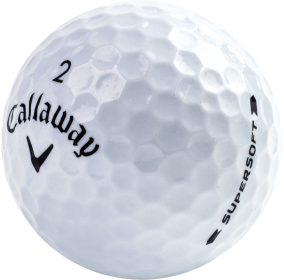
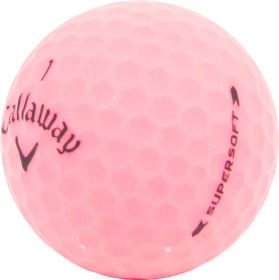
Use recycled premium golf balls from reputable companies like Clean Green Golf Balls.
-
You get top-brand balls that have been retrieved, cleaned, and graded, at a fraction of the price.
This lets you:
-
Practice and play with premium balls without flinching every time one finds the water
-
Keep consistent feel and performance from tee to green
-
Stretch your golf budget over more rounds
Spend: On quality, consistent golf balls.
Save: By choosing recycled balls instead of full-price new sleeves.
5. Spend on Re-Gripping, Save on Constant Club Upgrades
Many golfers blame their clubs when they really just need fresh grips. Worn, slick, or hardened grips cause you to:
-
Squeeze tighter (leading to tension and errant shots)
-
Lose control in wet or humid conditions
Instead of replacing a whole set, try:
-
Re-gripping your current clubs once a season (or every 40–50 rounds)
-
Choosing grips that match your hand size and feel preference
Fresh grips feel like a new set for a fraction of the cost. Also make sure to replace the grips yourself as its super easy and something every golfer should be able to do!
Spend: On re-gripping your clubs regularly.
Save: By keeping your current irons and woods longer.
6. Spend on Comfort & Essentials, Save on “Status” Gear
Playing better golf on a budget is also about feeling good on the course. A few smart spends:
-
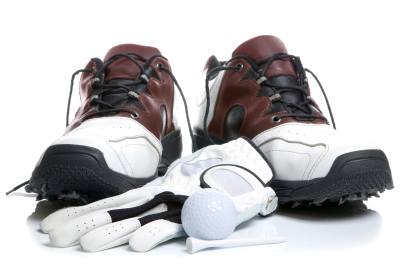
Comfortable shoes with good traction (slipping costs strokes)
-
Gloves that fit properly and don’t tear every two rounds
-
Basic rain gear or a windbreaker if you play in variable weather
Where you can save:
-
Fancy branded apparel that doesn’t improve performance
-
Overpriced accessories when budget options do the same job
If your shoes, glove, and clothing keep you dry, stable, and comfortable, you’ll swing better and stay focused longer.
Spend: On comfort and function.
Save: On logo-heavy “status” gear that’s just for show.
7. Spend on Memberships & Loyalty, Save with Smart Booking
If you play regularly, joining the right program can slash your cost per round. Look for:
-
Local course memberships or frequent-player cards that offer reduced green fees
-
Loyalty programs with points, free rounds, or discounts on balls and accessories
-
Online deal platforms or course-specific apps that run specials
Plan your season around:
-
A home course or two where you get the best value
-
Booking early and taking advantage of multi-round packages
Spend: On memberships or loyalty that match your playing habits.
Save: By leveraging discounts instead of booking last-minute at full price.
FAQ: Playing Better Golf on a Budget
Can you really improve your game without spending a ton of money?
Yes. If you prioritize lessons, practice time, and smart equipment choices, you can make significant progress without constantly buying new clubs. Improvement comes more from technique and consistency than from chasing the latest gear.
Are cheaper or recycled golf balls OK for serious golfers?
Absolutely. Recycled premium balls are ideal for golfers who want performance without paying full retail. As long as you buy from a trusted source that cleans and grades the balls, you’ll get consistent feel and flight while saving a lot of money over the season.
Should beginners buy a brand-new full set of clubs?
Most beginners are better off starting with:
-
A quality used set or starter set
-
A few key clubs (driver, a couple of irons, wedge, putter)
Then, as their swing stabilizes, they can upgrade specific clubs strategically instead of over-investing upfront.
What should I upgrade first if my budget is limited?
If your budget is tight, prioritize upgrades in this order:
-
Lessons / coaching
-
Grips, wedges, and putter
-
Golf balls (switch to quality, budget-friendly or recycled options)
These areas typically deliver the most impact per dollar spent.
Conclusion: More Golf, Less Stress on Your Wallet
You don’t need a tour player’s budget to play better golf—you just need a smarter plan for your money.
By spending where it counts (lessons, practice, scoring clubs, comfort) and saving where you can (recycled golf balls, used drivers, off-peak tee times, and re-gripping instead of replacing), you’ll free up cash for more rounds, more fun, and more progress.
Next time you’re tempted by the latest shiny driver, ask yourself:
“Will this help me more than a lesson, better practice, or a season’s worth of affordable, high-quality balls?”
Chances are, the smartest way to play better golf on a budget is to invest in your skills and smart savings, not just new toys.