








Do You have a $1,000 Slice? This is How Recycled Golf Balls and Lessons can Save You.
-
 Sami Mubasher
-


Have you ever stood on the tee box of a water hole, reached into your pocket for a brand-new, $5 Tour ball, and felt scared to hit your golf ball? Be honest, you don't know where that ball is going but you hope it goes straight.
Splash. There goes five bucks.
If you are battling a wicked slice, you aren't just losing golf balls—you are bleeding cash. In 2026, the price of premium "Tour" balls is sitting right at $60 a dozen ($5 a ball). Yet, millions of high-handicap golfers continue to buy them, hoping the expensive ball will magically fix their swing.
It won’t. But what if the money you are currently losing in the woods is the exact amount you need to permanently fix your slice?
This is why we came up with the "Slice-to-Scratch ROI Strategy." Here is the ultimate financial blueprint to stop wasting money on gear, reinvest it into your game, and unlock the "Compound Savings" of hitting the fairway.
Step 1: The Anatomy of a Slice (The Pre-Lesson Bleed)
To understand the true cost of your golf game, we need to look at the raw numbers. The average recreational golfer with a slice loses roughly 4.5 balls per round. We think it's more but we will be a bit generous.
If you play a modest 36 rounds of golf a year (about three times a month), you are losing approximately 162 golf balls annually. Let's look at what that costs you if you insist on playing new balls:
-
New Premium Tour Ball: $5.00 per ball
-
Annual Cost of Lost Balls (162 balls): $810.00
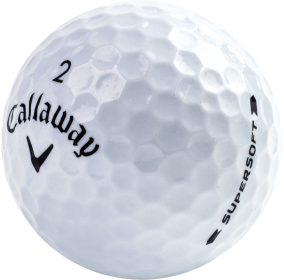
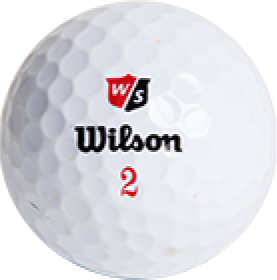
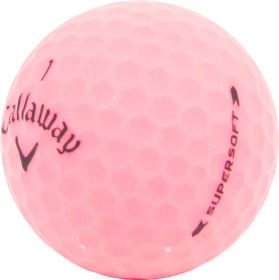
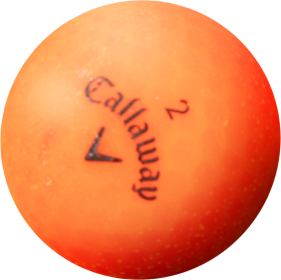
That is over $800 a year literally thrown into the woods. By simply swapping your brand-new balls for Clean Green Recycled Mint Balls (averaging $2.25 per ball), your cost drops to $364.50.
You just saved $445.50. But we aren't stopping there.
Step 2: The "Slice-to-Scratch" Reinvestment
What do you do with that extra $445? You don't just put it in the bank. You reinvest it directly into your golf swing.
In 2026, the average cost of a private, one-hour golf lesson from a certified PGA professional ranges from $75 to $100. By making the switch to Clean Green used golf balls, you have instantly funded over four hours of private swing coaching—without expanding your annual golf budget by a single penny.
Step 3: The Compound Savings (The Post-Lesson Math)
Here is the secret the big manufacturers don't want you to realize: Better golfers lose fewer balls. After your four funded lessons, your grip is fixed, your club path is neutral, and that nasty slice turns into a manageable fade. Because you are keeping the ball in play, your loss rate plummets from 4.5 balls a round down to a highly respectable 1.5 balls a round.
Now, let's look at your new reality playing Clean Green Recycled Balls with a fixed swing over those same 36 rounds:
-
New Loss Rate: 1.5 balls per round (54 balls annually)
-
Cost of Recycled Ball: $2.25
-
New Annual Ball Budget: $121.50
You went from spending $810 a year on lost balls to spending $121.50 a year. That is a staggering true savings of $688.50, and you are playing the best golf of your life.
The 2026 Savings Scale: How Much Will You Save?
How often do you play? The more you tee it up, the more the "Slice-to-Scratch" strategy scales. Here is the ultimate breakdown of your annual savings when you switch from New Balls & No Lessons to Recycled Balls & A Fixed Swing:
| Play Frequency | Annual Rounds | The "Old Way" Cost (New Balls, 4.5 Lost) | The "New Way" Cost (Recycled, 1.5 Lost) | Your Total Annual Savings |
| Casual (Twice a month) | 24 | $540.00 | $81.00 | $459.00 |
| Regular (Three times a month) | 36 | $810.00 | $121.50 | $688.50 |
| Avid (Once a week) | 52 | $1,170.00 | $175.50 | $994.50 |
| Addict (Twice a week) | 104 | $2,340.00 | $351.00 | $1,989.00 |
Note: Math based on $5.00/new ball and $2.25/recycled ball.
The Psychology of the "Water Hazard Tax"
Beyond the raw math, there is a psychological reason why buying expensive new golf balls is actively hurting your game. It’s called "Loss Aversion."
When you tee up a $5 ball over a forced carry, your brain subconsciously focuses on not losing the money rather than making a smooth swing. This creates tension in your forearms, causes you to grip the club tighter, and prevents you from releasing the clubhead—the exact mechanical failures that cause a slice.
When you tee up a $2.25 recycled ball, that financial pressure evaporates. You swing freer, faster, and with more confidence.
Conclusion: Be a Smarter Investor on the Course
Golf is expensive enough without paying the "New Ball Tax." The fastest way to lower your handicap is not by buying a magical $60 dozen of golf balls; it’s by investing in your own mechanics.
This season, be ruthless with your golf budget. Stop funding the big manufacturers' marketing campaigns, and start funding your own game improvement. Grab a batch of premium recycled balls from Clean Green Golf Balls, book a lesson with your local pro, and unlock the compound savings of hitting the fairway.