





Best Golf Balls by Handicap (0–10, 11–20, 21+): 12 Smart Picks + Budget Steals to Score Lower
-
 Sami Mubasher
-


Introduction
Ever stand on the tee with your “last good ball” and think, Do I risk it… or save it? If you’ve been there, you’re not alone—and your handicap range has a lot to do with why.
Here’s the money (and sanity) reality: Shot Scope data shared via Golf Monthly shows a 25-handicap golfer loses ~5.6 balls per round, a 15-handicap loses ~2.8, and even a 5-handicap loses ~0.9. That one stat explains why the “best” ball for a single-digit player can be a terrible value for a newer golfer.
Also, if you’ve ever wondered what “average” really is: the USGA reports the average Handicap Index is 14.2 for men and 28.7 for women. That means most golfers should be choosing a ball that fits mid-to-high handicap needs—not just buying what’s popular on Tour.
Below is a simple, handicap-based guide (with budget picks included) so you can pick the right ball fast—and start scoring lower immediately.
Quick 30-second cheat sheet
-
0–10 handicap: prioritize greenside spin + predictable flight (tour-style, usually urethane).
-
11–20 handicap: prioritize balanced spin + straighter long game (tour-lite or soft tour).
-
21+ handicap: prioritize easy distance + durability + less curve (often ionomer/2-piece).
The 3 things your handicap should decide (before brand)
1) Cover material: urethane vs ionomer
Most golfers don’t need “maximum spin”—they need the right spin.
-
Urethane: more short-game spin and feel (better for control players).
-
Ionomer: typically more durable and often less spinny, which can help reduce sidespin/curvature for many golfers.
2) Your miss pattern
-
If you miss by curving it (slice/hook): choose stability and value.
-
If you miss by distance control (flying greens / coming up short): choose feel + predictable launch.
3) How many balls you lose
If you lose 3–6 per round, the “best” ball is the one you can afford to play every hole without stress.
Best golf balls for 0–10 handicap (low handicap)
What you want
Tour-level control. You’re skilled enough to benefit from:
-
consistent wedge spin
-
predictable iron flight
-
reliable short-game check
4 top picks (tour-style performance)
-
Titleist Pro V1 / Pro V1x (control + consistency)
-
Budget-friendly way to play it consistently: Titleist Pro V1 / Pro V1x Collection
-
Or grab a simple dozen: Titleist Pro V1 Mix – 1 Dozen
-
-
Srixon Z-Star (tour feel + strong spin)
-
TaylorMade TP5 / TP5x / Pix (fast, workable, popular with better players)
-
Vice Pro / Pro Plus (premium performance without premium pain)
-
Find it easily in Shop by Quality
-
Low-handicap tip that saves strokes: pick one model and commit for 5 rounds. You’ll learn your wedge check + rollout and start hitting smarter shots.
Best golf balls for 11–20 handicap (mid handicap)
What you want
The sweet spot: straighter off the tee + still enough feel to improve the short game.
4 top picks (balanced performance)
-
Titleist AVX (often a great “control without over-spin” ball)
-
Available via Shop by Quality
-
-
Srixon Q-Star (mid-handicap favorite: control + value)
-
TaylorMade TP5 Mix (if you want more “tour feel” without paying full tour prices)
-
Quick path: Shop by Quality
-
-
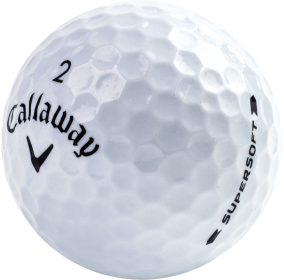
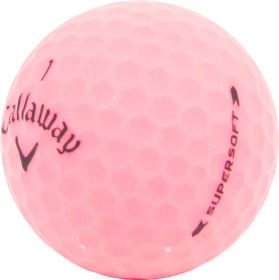
Callaway Supersoft (for “keep it in play” days)
Mid-handicap shortcut: If your miss is big curve, don’t chase “most spin.” Choose a ball that flies straighter, then invest your practice time into wedges/putting.
Best golf balls for 21+ handicap (high handicap / beginner)
What you want
Easy distance, forgiveness, durability, and affordability. You’re building confidence and keeping doubles off the card.
4 top picks (forgiving + budget-friendly)
-
Callaway Supersoft (long + straight with very soft feel)
-
Titleist TruFeel (soft feel + dependable performance)
-
Bridgestone e6 (popular for straighter flight/accuracy goals)
-
Bulk/value option (because lost balls are normal here)
-
If you want peace of mind, browse 48 Ball Mixes
-
High-handicap truth (that helps your score): you don’t need a “perfect” ball—you need a ball you’ll actually play confidently on every hole. The stress-free swing is the best swing.
“Shop by Handicap” quick links (fastest way to buy smarter)
-
11–20: Srixon Q-Star – 1 Dozen
Want to browse everything quickly? Shop All Golf Balls
FAQs golfers search (quick answers)
Do soft golf balls go farther?
For many golfers with moderate swing speeds, soft-feeling balls can feel easier to launch—but distance is still mostly about strike and fit. If you’re losing balls often, your biggest “distance gain” might be simply keeping more tee shots in play.
Urethane vs ionomer: which should I pick?
-
Choose urethane if you’re improving wedge control and want more short-game spin/feel.
-
Choose ionomer if you want durability and often benefit from a less spinny flight.
Should I play the same ball every round?
Yes. Consistency accelerates improvement—especially with wedge rollout and putting feel.
How many balls should I bring for 18 holes?
If you’re in the 21+ range, bringing a few extras is smart. Shot Scope data shows high handicaps can lose multiple balls per round.
Do you offer fast shipping?
Clean Green Golf Balls notes free shipping over $69 and an average delivery of 2–4 days, with orders processed within 24 hours.
Conclusion
The best golf ball isn’t the one with the loudest hype—it’s the one that matches your handicap, your miss, and your budget.
-
0–10: play tour-style control (and play it consistently).
-
11–20: balance straight flight with enough greenside feel to improve.
-
21+: keep it forgiving, durable, and affordable—confidence lowers scores.
If you want the quickest win: pick one ball from your handicap bucket and commit for 5 rounds. Your distances, short game, and scoring will tighten up faster than you think.